The Open-Source Upset: Why Indie Devs Keep Choosing Godot in 2026
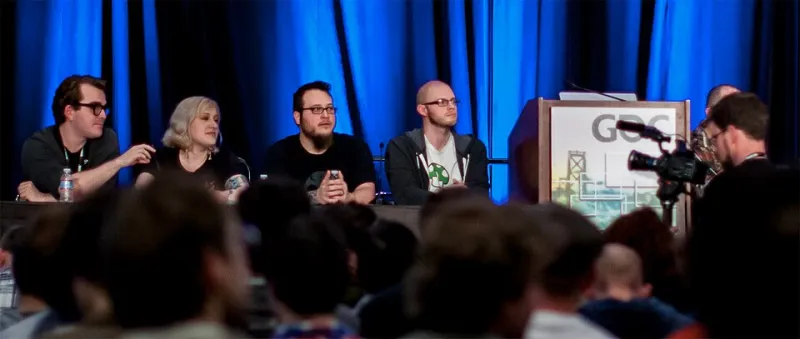
Photo: Fuad Kamal from USA Cropped by czar, CC BY-SA 2.0, via Wikimedia Commons
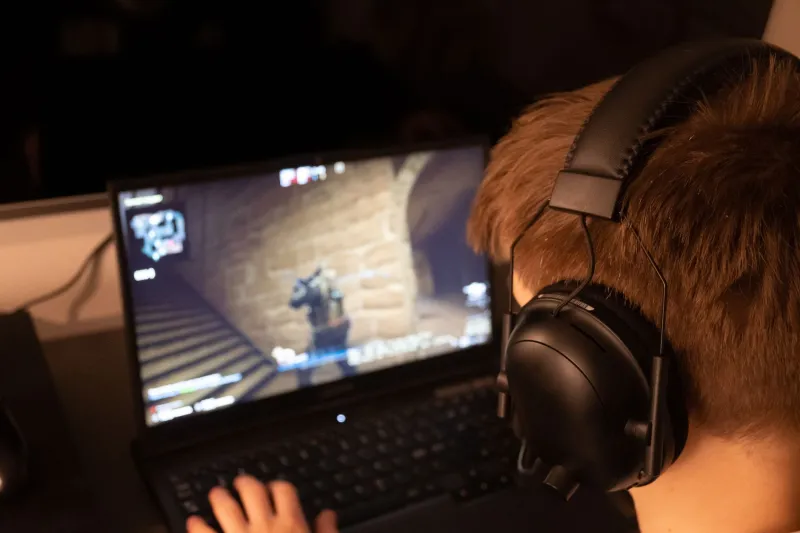
In a shared workspace in Austin, a two-person studio is doing what a lot of indie teams do in 2026: arguing about a shader. The game is a hand-painted tactics title with a demo due in three weeks. The engine is Godot. Nobody on the team is an open-source evangelist. They just like that the tool does not send them a bill every time the project grows.
That attitude is the story behind Godot's steady climb. The engine is not new, and it is not magic. But it has become the default answer to a question more indie developers are asking: what is the least dramatic way to build and ship this game?
The Numbers Behind the Quiet Shift
You can see the shift in small places. Game jam entries list Godot more often. Tutorial channels that once treated Unity as the only starting line now run Godot series. Discord servers for solo developers have channels dedicated to Godot's quirks, workarounds, and console export options. On GameStarter, forum threads about engine choice used to turn into religious wars. Now they are more likely to turn into logistics discussions.
The appeal is easy to explain. Godot is open source, uses the MIT license, and does not take a royalty cut. For a team watching every dollar, that matters. So does the ability to inspect the source code when something breaks. A studio in Chicago told me they switched after spending a week chasing a platform-specific bug in a closed engine. With Godot, they could at least read the code and file a useful report.
But Godot's rise is not just about price. Version 4.x has matured into a credible 2D and 3D toolset. The editor is fast. Iteration is quick. The community ships plugins and fixes at a pace that feels alive. For stylized games, the kind that dominate the indie charts, it is often enough.
It is not enough for everything. Godot's asset marketplace is smaller than Unity's. Console porting takes more planning. Hiring a senior Godot developer is still harder than hiring a senior Unity developer. Those are real costs, and pretending otherwise does the engine no favors.
What Unity Is Doing to Win Back the Room
Unity did not lose indie trust in a single day. The 2023 runtime fee controversy did the damage, and the company spent the years after reversing course, clarifying pricing, and trying to look less like a toll booth. In 2026, Unity's pitch is stability: a familiar pipeline, a huge talent pool, strong mobile and XR support, and a mountain of documentation.
That pitch still works. Plenty of studios are shipping on Unity and sleeping fine at night. The engine remains the safer bet for teams that need middleware, console certification experience, and a deep hiring pool. Unity has also improved its multiplatform tooling and made noise about transparency. The company knows it has to earn back the benefit of the doubt.
But trust is a lagging indicator. A developer who got burned in 2023 may not care about a new pricing page in 2026. They remember the meeting where they had to explain to their team that the business model might change under their feet. For small studios, that memory is a risk factor.
One Portland developer put it plainly: "I don't need an engine to be my friend. I need it to be boring." That is the space Godot is winning. Not by being flashier, but by being predictable.
Why Players Don't Care (Until They Do)
Here is the part developers sometimes forget: players do not boot up a game and ask what engine built it. They ask whether it runs on their Steam Deck, whether the co-op works, and whether the studio is still patching bugs six months later.
Engine choice becomes player-facing only when it affects those things. A lightweight build can mean faster patches. A rocky console port can mean a delayed launch. A small toolchain can mean a studio spends its time on infrastructure instead of content. Those are the consequences that matter.
On GameStarter, the community cares about engine drama for about five minutes. Then someone asks for a demo, a release window, or a controller recommendation. That is healthy. The engine war is a developer story, not a player story.
The Real Engine War Is About Time and Trust
The Godot-versus-Unity debate is often framed as a moral contest: open source versus corporate. That is too simple. The real contest is about time. Which tool lets a small team spend more hours on the game and fewer on the plumbing? Which one makes hiring easier? Which one makes a console launch less terrifying?
In 2026, Godot is winning more of those arguments than it used to. Unity is still winning plenty of them, too. The good news is that the competition is making both sides better. Godot has to grow up. Unity has to listen. Indie developers get more credible options.
That is not a culture war. It is a market working the way it should. And the games, at least the ones we actually play, are better for it.