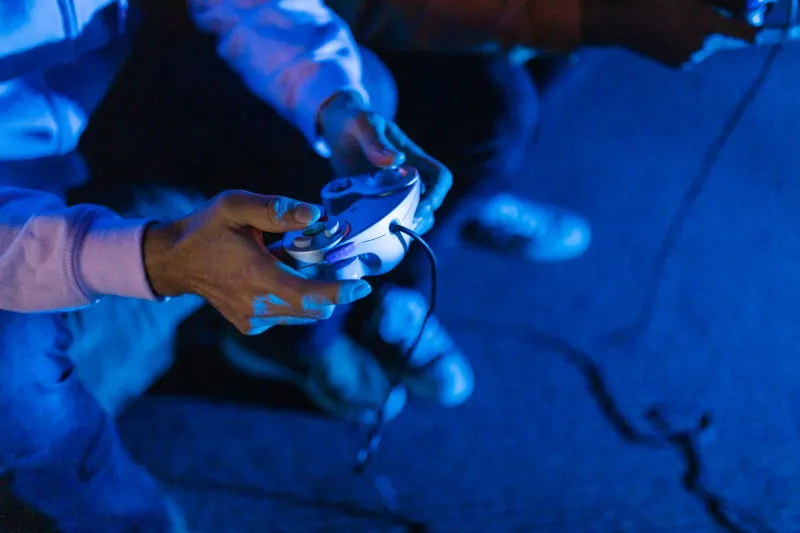
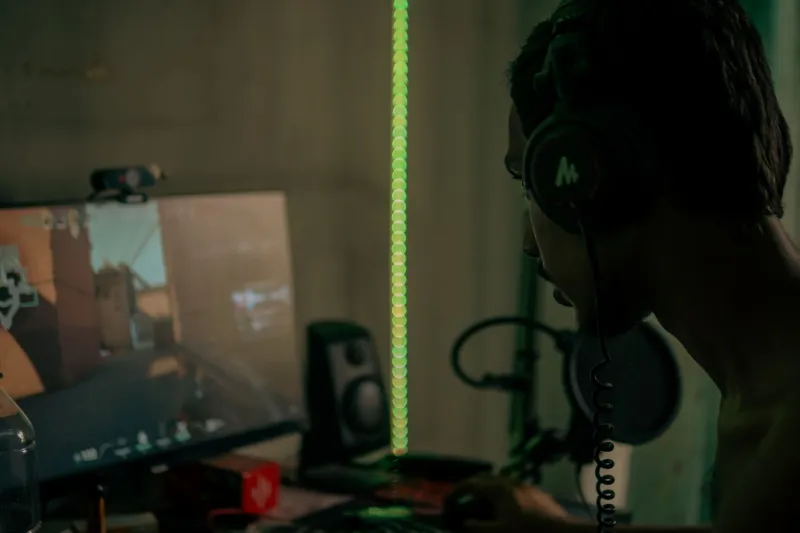
The 40-Hour Week Is Back — And Indie Studios Are Proving It Makes Better Games

Let's be honest about something the games industry doesn't love to admit: crunch culture has been treated less like a problem to solve and more like a badge of honor to display. Ship a massive game? Great. Did your team work 80-hour weeks for six months to do it? Even better, apparently.
But something is shifting. And it's happening not in the boardrooms of EA or Activision, but in home offices, converted garages, and small co-working spaces where indie developers are quietly building a different kind of studio culture — one that doesn't require destroying your health to ship a game worth playing.
The Crunch Problem Isn't a Secret Anymore
The stories are well-documented at this point. High-profile crunch controversies at studios like Rockstar, CD Projekt Red, and Naughty Dog have put the issue front and center in gaming media. Developers have spoken up. Unions have formed. Players have started asking harder questions about the human cost of the games they love.
And yet, at many large studios, the culture hasn't fundamentally changed. Crunch is still framed as passion. Overwork is still normalized as dedication. The implicit message remains: if you really love games, you'll sacrifice for them.
Indie developers, by and large, aren't buying it.
"I left my job at a major studio after my third consecutive crunch cycle," said one developer who asked to remain anonymous but now runs a four-person indie studio in Austin, Texas. "I wasn't making better work during crunch. I was making tired work. There's a difference."
Small Teams, Sustainable Timelines
One of the structural advantages indie studios have over their AAA counterparts is scope. Smaller games can be planned more realistically. When you're a team of six making a 15-hour narrative RPG instead of a team of 300 making a 60-hour open-world epic, it's genuinely easier to build a schedule that doesn't require human sacrifice.
But it's not just about size. The indie studios doing this well are making intentional choices about how they work.
Sienna Park, co-founder of Brightpath Games — the two-person team behind the critically praised puzzle-adventure Threadline — told us she and her partner built their production schedule around one non-negotiable rule: no work after 6 PM, ever.
"People thought we were crazy," she said. "We were a two-person team with a limited runway. Everyone expected us to be grinding 24/7. But we'd both seen what that does to people, and we didn't want to make a game we hated by the time it shipped."
Threadline launched on time, earned a 92% positive rating on Steam, and is now in its second major content update. Park and her co-founder are still, by all accounts, doing just fine.
Profit-Sharing as a Philosophy
Sustainable development isn't just about hours — it's about incentives. One of the structural reasons crunch persists at large studios is that the people doing the work often aren't the people reaping the rewards. Executives and shareholders see the upside. Developers see a salary and, if they're lucky, a modest bonus.
Indie studios are experimenting with something different. Profit-sharing arrangements, where revenue gets distributed across the team rather than funneled upward, are increasingly common in the indie space — and they change the dynamic in meaningful ways.
When everyone on a team has a stake in the outcome, the motivation to do good work doesn't require external pressure. You're not grinding because your boss is watching. You're building something carefully because you actually own a piece of it.
"We split everything evenly," said the lead developer of a three-person studio based in Portland who recently shipped their debut title through GameStarter's platform. "That means when we're deciding whether to crunch to hit a deadline, we're all making that decision together. And usually, we decide the deadline can move."
The Talent Migration Is Real
Here's the part that should genuinely worry AAA studios: the talent is starting to leave, and it's not always about money.
Experienced developers — artists, programmers, designers with years of AAA credits on their resumes — are increasingly choosing to move to indie studios or start their own, even when it means taking a pay cut. The reasons they cite are remarkably consistent: autonomy, ownership, and the ability to work without destroying their personal lives.
"I turned down a senior role at a studio I used to dream about working for," said one developer who recently joined a mid-sized indie team. "The salary was better. The benefits were better. But I knew what the culture was like. I'd watched friends go through it. I wasn't willing to trade my evenings and weekends for a title on my resume."
This is a real competitive threat for large studios, even if they're not treating it like one yet. The pipeline of developers willing to endure crunch in exchange for prestige is narrowing. And as indie development tools get better — and platforms like GameStarter make it easier than ever to reach players directly — the case for putting up with toxic work conditions gets weaker every year.
Better Conditions, Better Games?
The most provocative argument being made in indie dev circles right now is this one: sustainable development doesn't just protect workers. It produces better games.
The logic isn't hard to follow. Developers who aren't burned out make clearer decisions. Teams that communicate well — which is much easier when people aren't exhausted — catch more bugs, solve more problems creatively, and ship more polished products. The "crunch makes games better" argument has always been shaky, and the indie scene is accumulating evidence against it.
Park put it simply: "We made a better game because we were rested. I genuinely believe that. When you're running on four hours of sleep, you stop seeing your own mistakes."
This Isn't Utopia — But It's a Start
Let's be fair: indie development has its own stresses. Financial uncertainty is real. Small teams carry enormous pressure. Shipping a game on a shoestring budget while also doing your own marketing, customer support, and community management is not a relaxed existence.
But the developers building sustainable indie studios aren't claiming they've solved everything. They're claiming they've found a better tradeoff — one where the work is hard but the culture doesn't break people.
That's not a small thing. In an industry with well-documented mental health challenges and burnout rates that would alarm any HR department, studios proving that quality and sustainability can coexist are doing something genuinely important.
And as more of those studios find their audience — on platforms built for exactly this kind of discovery — the argument that crunch is simply the cost of making great games is looking thinner by the day.